In the world of B2B sales, speed isn’t just a nice advantage to have—it’s pretty much the whole game, and a robust CRM automation strategy is the key to winning it. You’ve probably seen the benchmark data popularized by the Harvard Business Review showing that if you follow up with an inbound lead within five minutes, your odds of qualifying them shoot up dramatically compared to waiting even 30 minutes. It sounds simple enough on paper. But if you actually take a look at how most sales floors operate day-to-day, things look a lot less polished.
Even though every sales leader knows what’s at stake, a massive chunk of companies are still running their operations on a chaotic mix of manual steps. They’re essentially trying to hit aggressive targets using messy spreadsheets, random sticky notes, and buried email threads. And that opens the door wide open for the one thing that keeps revenue leaders up at night: lead leakage.
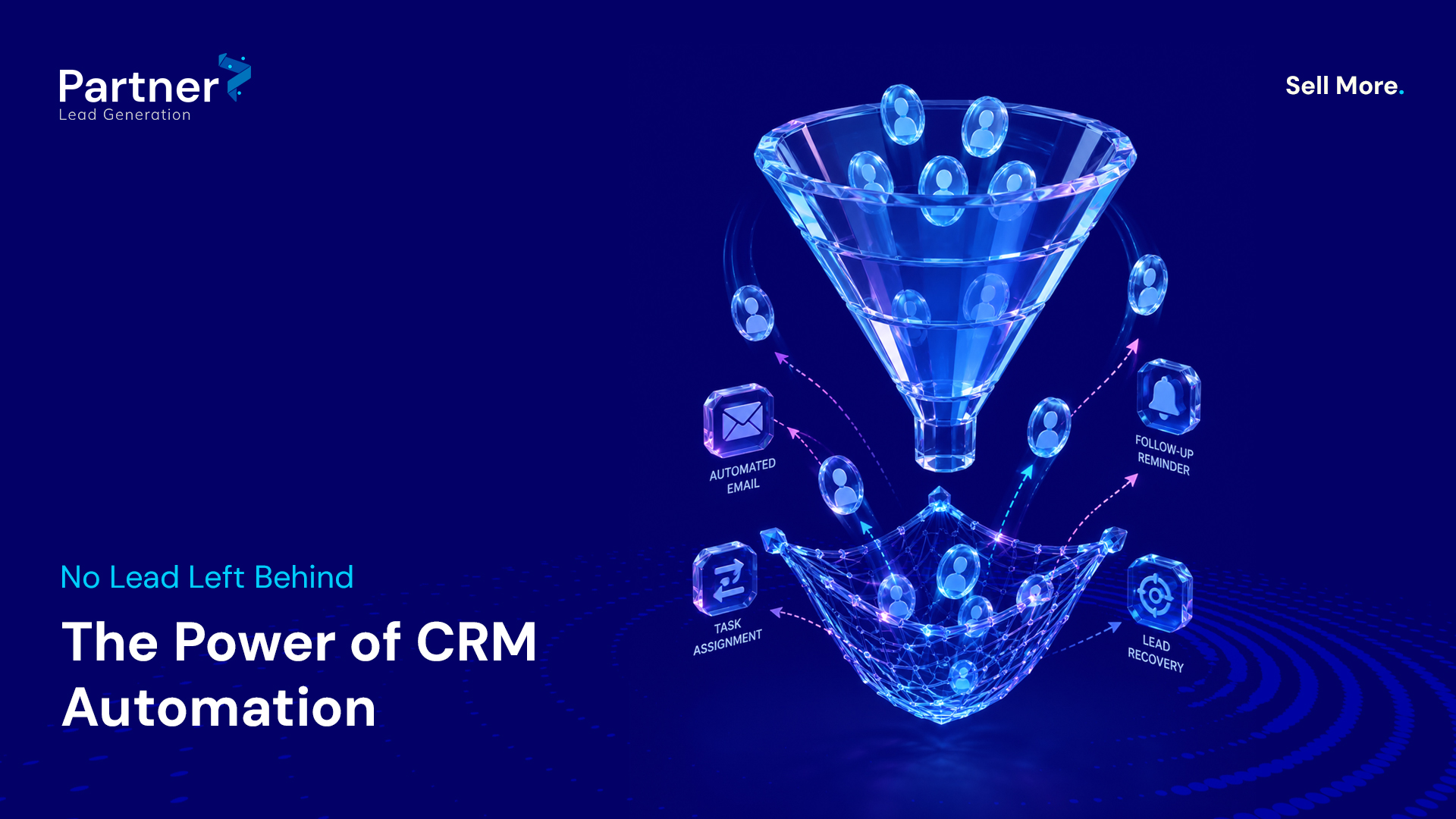
When your reps spend half their day copying data across tabs, fixing broken formatting, or trying to guess which lead came from where, your growth engine has a major bottleneck. You aren’t just losing time here; you are actively giving away revenue to whatever competitor handles their inbox faster. That’s why setting up proper CRM automation isn’t just about cleaning up your tech stack—it’s about plugging those holes before you lose more pipeline.
The Actual Tax of Keeping Things “Manual”
It’s easy to treat manual data entry like a minor annoyance—just a boring task your team has to power through. But when you look closely at how a leaky pipeline impacts your numbers, manual processes are usually the quiet culprit behind flatlining growth.
- The Inbound Black Hole: A high-intent lead drops a request for a custom quote on a Friday afternoon. Because no one is actively monitoring that specific inbox over the weekend, it sits there. By Monday morning, that prospect has already hopped on a call with a competitor who got back to them on Saturday. By the time your rep reaches out, the trail is completely cold.
- The Blame Game Between Teams: Marketing feels great because their latest campaign brought in hundreds of downloads. Sales calls those exact same leads “useless” because there’s zero context on why they downloaded the PDF. When your systems don’t talk to each other, both teams end up arguing over different data, and the prospect gets a totally disjointed experience.
- The Messy Data Tax: People are great at closing deals, but we are notoriously bad at data entry. When reps have to manually move info from a web form to a CRM, you get duplicate profiles, missing phone numbers, and broken tracking. If the data inside your system is a mess, your pipeline forecasting is basically a guessing game.
Flipping the Switch: Where Automation Steps In
Think of CRM automation as the invisible connective tissue holding your sales operations together. It runs quietly in the background, handling the repetitive, mechanical steps so your team can actually focus on having real conversations with qualified buyers.
Here is how a tight automation setup actually keeps your pipeline moving:
1. Instant Capture and Routing
No one on your sales team should be typing contact information into a database by hand. The second a prospect hits submit on a website form, clicks a LinkedIn lead gen ad, or grabs a case study, that data needs to land directly inside your ecosystem without a human touching it.
But just getting it into the system isn’t enough; you have to get it to the right person fast. Instead of a manager spending an hour every morning assigning accounts, automated routing rules can instantly handle the handoff. Whether you slice it by geographic territory, company size, industry vertical, or a clean round-robin rotation, the right rep gets a notification instantly.
2. Practical Lead Scoring
Treating an enterprise buyer who visited your pricing page three times the exact same way you treat a student looking for a free template is a massive waste of clock cycles. Automation lets you score leads dynamically based on what they are actually doing on your site.
If a prospect triggers a high-intent pattern—like downloading a product breakdown and looking at your calendar—the system can instantly bump their score, mark them as a priority, and send a Slack alert straight to the account executive. On the flip side, lower-intent leads can flow directly into a softer nurturing sequence, keeping your reps focused exactly where the money is.
3. The Follow-Up on Autopilot
Most B2B prospects simply aren’t ready to book a demo the very first day they encounter your brand. They take time to figure things out. If your sales reps are expected to manually remember to email every cold contact every two weeks, things will get dropped.
Automated email drips solve this by acting like an assistant that never sleeps. They drop relevant, helpful content based on where that specific buyer is stuck in their cycle. The system keeps your brand top-of-mind over months without your team having to type out a single manual follow-up, systematically turning cold context into sales-qualified leads (SQLs).
4. Making Your Tech Stack Talk
A CRM shouldn’t operate on an island. It gets significantly more valuable when it’s tied directly into the rest of the tools you use daily—your marketing platform, your billing software, and your customer success tools.
When a rep finally moves a deal to “Closed-Won,” a domino effect should happen automatically. The system can ping your accounting software to generate an invoice, trigger a welcome sequence for the onboarding team, and update the customer success dashboard. This cuts out the internal back-and-forth and makes the handoff entirely seamless for the client.
Why Partnerships Can’t Scale Without It
Over at PartnerLeadGeneration.com, we see this play out constantly with indirect sales channels, referral networks, and co-selling agreements. The moment you introduce outside partners into your sales ecosystem, the operational complexity doubles.
Partners want things to be fast and transparent. If your deal registration process takes days or your assets are hard to find, they’ll stop sending you business. Automation bridges that gap cleanly by:
- Handing Them the Blueprint: Automatically serving up co-branded marketing collateral and ready-made email sequences so partners can start generating interest immediately.
- Locking In Attribution: No one likes fighting over who brought in a deal. Automated tracking tags the source right at the root, ensuring partners get accurate credit and payouts without the usual manual audit headaches.
- Keeping the Pace Up: Making sure a lead sent over by an external partner gets picked up with the exact same urgency and speed as an internal marketing lead.
The Takeaway
“No lead left behind” shouldn’t just be something you put on a slide during a team meeting—it needs to be built into the actual setup of your pipeline.
Every single manual step in your current sales motion is essentially a spot where a hot lead can slip through the cracks. Moving away from clunky spreadsheets and setting up intelligent CRM automation gives your reps their time back, cleans up your data, and keeps things scaling cleanly.
Plug the leaks before you try to pour more into the funnel. Relying on manual workflows is a major bottleneck when you’re trying to scale up.
If you’re looking to clean up your lead routing, optimize your pipeline, or get more out of your partnership channels, check out PartnerLeadGeneration.com. Let’s look at how we can help you build a smoother, faster revenue engine that actually converts.
Stop letting 98% of your best prospects walk away. The era of “wait and see” is over. Start identifying the high-intent accounts browsing your site right now and turn anonymous traffic into high-velocity pipeline.